Why Succession Planning Matters
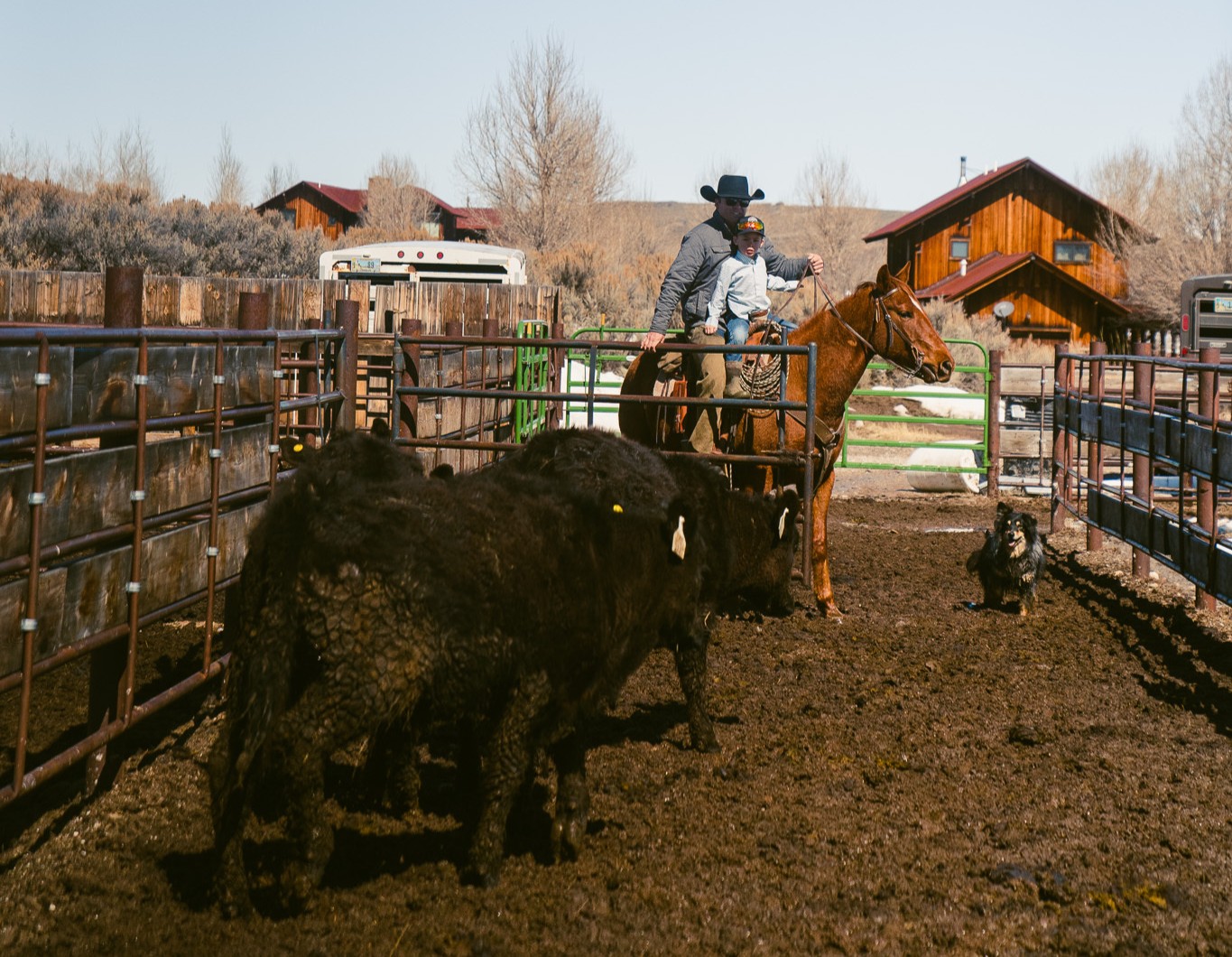
Across Sublette County, a quiet transition is underway. As producers age and families expand, the question of what happens to the land is becoming increasingly urgent. Without a clear succession plan, working lands, open spaces, and wildlife habitat are more vulnerable to fragmentation and loss, often not by choice but by circumstance.
The data tells a compelling story. According to the U.S. Department of Agriculture’s National Agricultural Statistics Service, 95% of farms in Sublette County are family owned, yet nearly 70% of local producers are at or beyond traditional retirement age. At the same time, very few new or younger producers are entering the agricultural network. Nationally, the picture is similar: a University of Illinois Urbana–Champaign study found that 44% of U.S. farms lack a succession plan. Taken together, these trends point to a growing risk that land stewarded for generations could be lost due to family disagreements, financial pressures, tax burdens, or the absence of a clear path forward.
Recognizing this urgency, the Green River Valley Program hosted an information session on succession planning, with an emphasis on conservation easements as a practical, flexible tool for agricultural families. When integrated into a succession strategy, easements can do more than protect land — they can help families navigate difficult conversations, stabilize finances, and gain peace of mind about the future of a place that often holds deep personal and cultural value. At the same time, easements help protect the agricultural land base that defines Sublette County’s landscape and way of life. As younger producers work to establish themselves, conservation easements can also help keep land within reach for agricultural use, even as property values rise and development pressure increases.
For professionals who support succession planning, including attorneys, tax advisors, financial planners, mediators, and realtors, understanding how conservation easements work can significantly strengthen the guidance they offer clients. Easements are voluntary agreements that limit subdivision and development to protect conservation values such as agriculture, water resources, wildlife habitat, and open space. Landowners can continue ranching or farming, adapt practices over time, and pursue compatible income opportunities. Ownership of the land may still be transferred or sold, while the easement remains permanently attached to the property. The GRVP is responsible for ensuring that easement terms are upheld by all future landowners.
Just as importantly, the process of creating a conservation easement invites families to come together and articulate a shared vision for their land. Deciding what should be protected and how can help align expectations, reduce uncertainty, and ease potential conflicts before they arise.
Conservation easements may be donated, sold, or structured as a combination of both, offering meaningful financial and tax benefits. Qualified easements can provide income tax advantages and reduce property values enough to ease or eliminate estate and gift tax burdens. Proceeds from an easement sale can be used to reduce debt, invest in infrastructure, support retirement, equalize inheritances, or cover professional planning costs, all while keeping land more affordable for future agricultural use.
Succession planning conversations are rarely easy, but postponing them can lead families to make irreversible decisions during times of stress or loss. Panelists at the GRVP session — including local rancher and conservation easement landowner Albert Sommers, UW Extension Educator Mary Martin, and certified financial planner Farrah Rhea of Edward Jones — shared firsthand perspectives on why starting early matters. Additional insights from Liz Long of the Jackson Hole Land Trust and Pete Dittmar of Granite Creek Valuation illustrated how conservation easements can balance long-term protection with flexibility for future generations. Together, their stories reinforced a simple but powerful message: planning ahead creates options, clarity, and continuity, ensuring that Sublette County’s working lands remain part of the community’s future, not just its past.
Photo: Alexandra Munger