Dawn on the Lek
Some of the most remarkable wildlife spectacles, often associated with National Geographic, are unfolding right here in Northwest Wyoming. Each spring, sagebrush plains become the stage for one of the West’s most iconic displays: the dance of the greater sage-grouse.
Each March and April, males gather on traditional breeding grounds, known as leks, and perform a spectacular dance to attract hens. The greater sage-grouse, the largest grouse in North America, is an impressive bird even before the performance begins, roughly the size of a chicken. During displays, males transform dramatically. They puff up their chests, droop their wings, and fan their tails into a striking starburst. With each forward lunge, air moves in and out of their yellow chest sacs, producing soft gurgling pops that carry across the quiet basin.
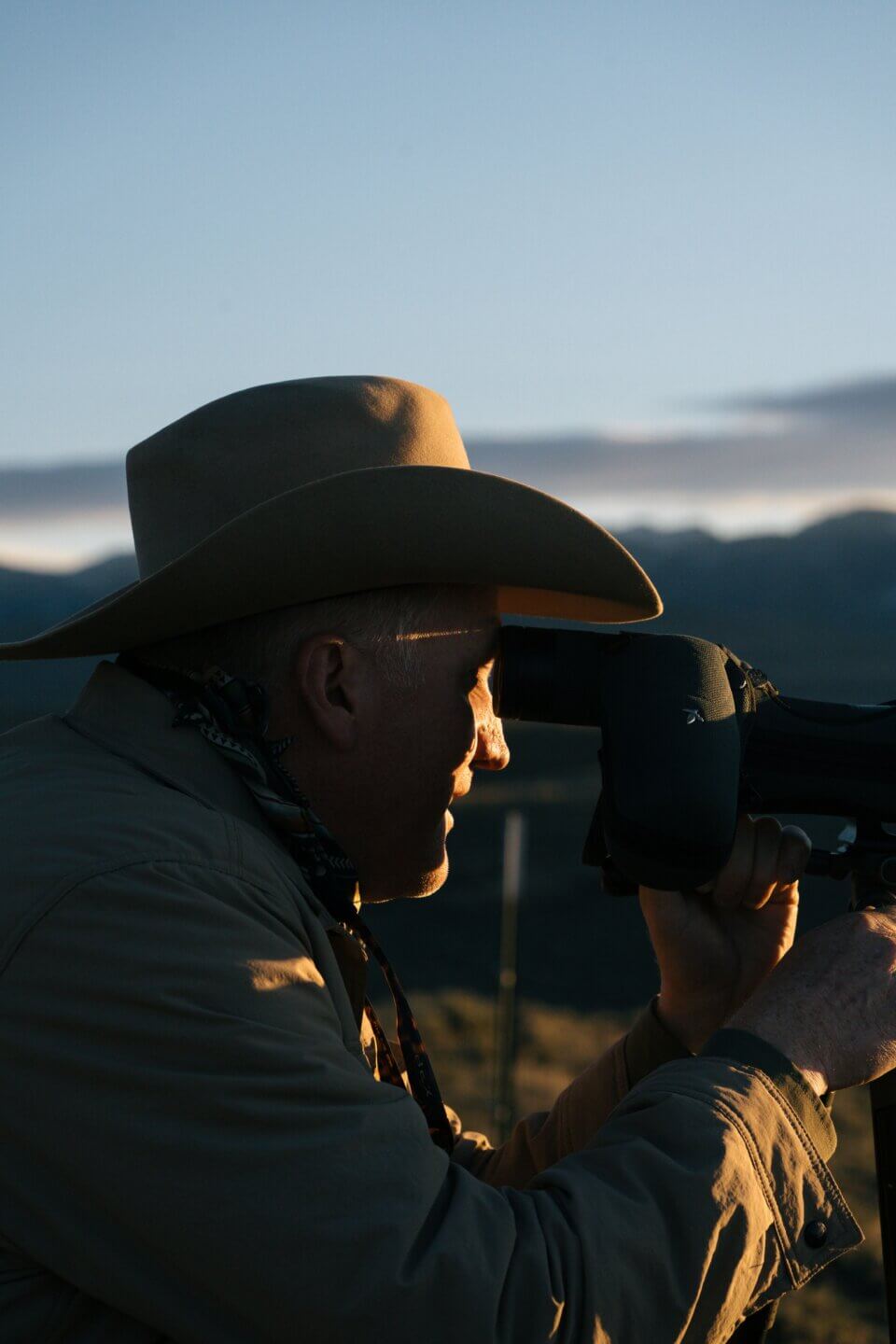
At a recent early morning lek viewing on conserved ranchland, the scene came alive as the sun rose over the Wind River Range. Frost still clung to the sagebrush as the first golden light reached the valley floor. In the soft glow, the movements of sage-grouse males became more distinct, some energetic and persistent, others less motivated in their attempts to impress passing females. The sounds of the lek, pops, whistles, and rustling feathers, echoed across the open landscape as birds defended small display territories and postured for position.
Beyond the lek, the broader landscape told its own story. Pronghorn grazed along a nearby ridge while two displaying males continued their dance just feet away. Sandhill cranes called in the distance. Mule deer moved steadily through the sagebrush sea, and cattle grazed quietly in the valley below. Together, these elements formed a living portrait of shared habitat, wildlife, and working lands coexisting across a landscape shaped by intentional stewardship and conservation.
Moments like this underscore why intact sagebrush landscapes matter. The Jackson Hole Land Trust, together with its three regional programs, has partnered with private landowners to conserve 47,847 acres of sage-grouse habitat across Northwest Wyoming. The greater sage-grouse is a “sagebrush obligate,” meaning its survival depends entirely on healthy sagebrush habitat for breeding, nesting, and winter cover. Leks are only one piece of the puzzle. Birds rely on nearby nesting areas, wet meadows rich with insects for chicks, and expansive sagebrush for year-round survival.
The recent lek viewing was made possible by a ranching family willing to share their landscape and its remarkable wildlife. Their hospitality highlighted the collaborative nature of conservation. Landowners, community members, and conservation organizations are working together to safeguard both ecological values and the region’s ranching heritage.
Watching the dawn unfold over a lek is a reminder that conservation is not an abstract concept. It is tangible in the sweep of sagebrush, the presence of pronghorn on distant ridges, and the persistence of a centuries-old mating dance. Protecting these lands ensures that the dance continues, spring after spring, across one of the West’s most iconic ecosystems.
If you hope to witness this remarkable display, it is important to follow responsible viewing practices that minimize disturbance to the birds and their habitat. Guidance on how to observe leks ethically, and where public viewing opportunities may be available, can be found through the Wyoming Game and Fish Department’s Sage-Grouse Lek Viewing Guide.
Photo: Alexandra Munger